

Until 2019, as part of its public duties, the Hungarian Academy of Sciences (MTA) maintained scientific research groups at higher education institutions through agreements with these institutions. Since the establishment of the Eötvös Loránd Research Network (ELKH), newly formed research groups have operated under its auspices with central funding. As of September 1, 2023, ELKH continues to operate under the name Hungarian Research Network (HUN-REN), reflecting its English designation.
(Source: elte.hu) (Translated by AI)
HUN-REN–ELTE Extragalactic Astrophysics Research Group
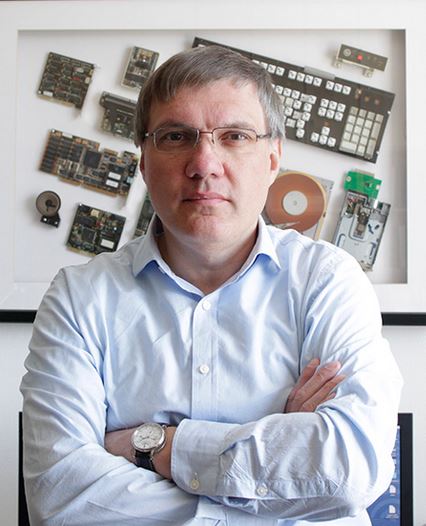 Group Leader: Zsolt Frei, Professor
ELTE Faculty of Science, Institute of Physics, Department of Atomic Physics
E-mail: frei@ttk.elte.hu
Phone: +36-1-372-2500/6317
The research group's focus extends to the study of extragalactic astrophysics, gravitational-wave astrophysics, large-scale structure, and cosmology.
HUN-REN–ELTE–MTM Research Group for Integrative Ecology
 Head of the Research Group: Gábor Herczeg, Professor
Department of Systematic Zoology and Ecology, Institute of Biology, Faculty of Science, Eötvös Loránd University (ELTE)
E-mail: gaborherczeg@caesar.elte.hu
Phone: +36-1-372-2500 / 8760
The research group investigates biological responses to environmental change across a wide range of levels—from individual plasticity to speciation and community-level shifts—using diverse model systems. Their work explores the impacts of climate change, land use, urbanization, pathogens, and environmental stability, combining field surveys, laboratory experiments, and molecular approaches.
HUN-REN–ELTE Research Group for Astropolarimetry
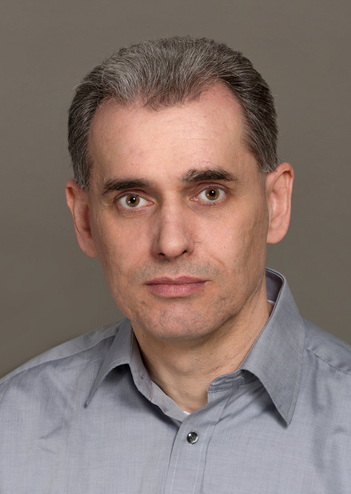 Head of the Research Group: Gábor Horváth, Professor
Department of Biological Physics, Institute of Physics, Faculty of Science, Eötvös Loránd University (ELTE)
E-mail: gh.arago@elte.hu
Phone: +36-1-372-2765
The research group focuses on the development of a portable imaging polarimetric astronomical telescope and explores its applications in regions of the Earth with favorable astroclimatic conditions, with particular emphasis on studying the Kordylewski dust clouds.
HUN-REN–ELTE Jenő Egerváry Research Group on Combinatorial Optimization
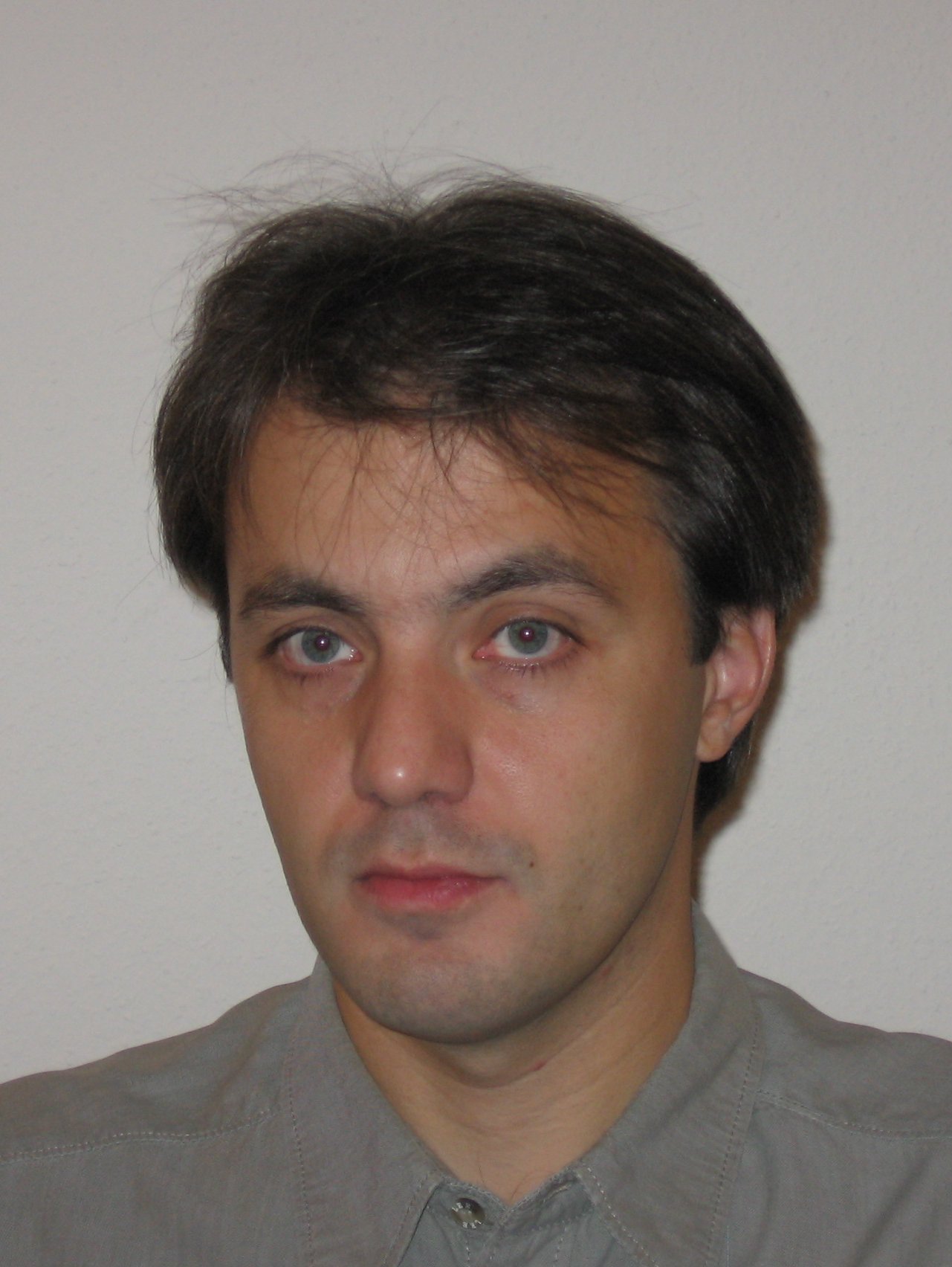 Head of the Research Group: Tibor Jordán, Professor
Department of Operations Research, Institute of Mathematics, Faculty of Science, Eötvös Loránd University (ELTE)
E-mail: jordan@cs.elte.hu
Phone: +36-1-372-2500 / 8132
The research focuses on a branch of combinatorial optimization most prominently represented by Alexander Schrijver’s seminal three-volume work Combinatorial Optimization (2003). The core idea is that the development of polynomial-time algorithms for solving specific problems relies on a deep structural understanding of those problems. The primary aim of the group is the algorithmic analysis of optimization problems on graphs and networks, with special emphasis on exploring the boundary between polynomially solvable cases and NP-complete problems. Essential tools for this work include the theory of matroids and submodular functions, as well as polyhedral combinatorics. A particularly significant area of interest involves problems where parity plays a central role—such as matchings, path packings, T-joins in graphs, and the matroid parity problem.
HUN-REN–ELTE Motor Pharmacology Research Group
 Head of the Research Group: Professor Mihály Kovács
Department of Biochemistry, Institute of Biology, ELTE Faculty of Science
E-mail: mihaly.kovacs@ttk.elte.hu
Phone: +36-1-372-2500/8401
Since 2001, the Raspberry Lab has launched significant projects from the Department of Biochemistry at ELTE with the support of prestigious grants. The group’s main research focus is on motor proteins, particularly myosins, and the development and study of their inhibitors. In 2008, they were awarded their first ERC grant, which opened up new opportunities for the group. This support led to the launch of the Motorpharmacology project, through which they have achieved major results in drug development by designing myosin inhibitors that target motor proteins. Building on their earlier findings, the researchers aim to uncover new aspects of motor protein regulation.
HUN-REN–ELTE Space Research Group
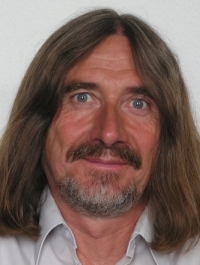 Head of the Research Group: Professor János Lichtenberger
Department of Geophysics and Space Science, Institute of Geography and Earth Sciences, ELTE Faculty of Science
E-mail: lityi@sas.elte.hu
Phone: +36-1-372-2500/6654
The research group studies the dynamic processes of the Earth's plasma environment as part of a comprehensive space weather research program. Its goals include the development of advanced satellite onboard data collection instruments in collaboration with domestic industrial partners, their application in space experiments, and the development of a space weather model through the combined scientific interpretation of onboard and reference ground-based data. The group conducts high-precision investigations of electromagnetic wave propagation in the ULF–HF range within anisotropic plasma, as well as detailed analysis of recorded wave phenomena to refine space physics models (such as wave–particle interactions, signal propagation in lossy plasma, and plasma heating processes). It also aims to develop a more accurate dynamic model of the plasmasphere to describe and monitor the effects of solar activity on Earth and the resulting induced processes.
HUN-REN–ELTE Peptide Chemistry Research Group
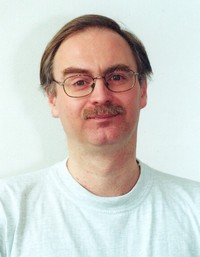 Head of the research group: Gábor Mező, Scientific Advisor
Institute of Chemistry, Department of Organic Chemistry, Faculty of Science, Eötvös Loránd University (ELTE)
E-mail: gmezo@elte.hu
Phone: +36-1-372-2500/1426
The joint research group of ELTE and the former Hungarian Academy of Sciences (MTA) was established in 1961 under the leadership of academician and Kossuth Prize-winning professor Győző Bruckner. The group's research areas include the synthesis and structural characterization of peptides, peptide chimeras, and bioconjugates, the exploration of structure–activity relationships, and the production of peptide antigens for the development of synthetic vaccines, diagnostics, and therapeutics, aiming at the targeted delivery of peptide epitopes/drug active agents. The group's objective is to investigate the structure, internal dynamics, and interactions of proteins and polypeptides at the atomic level using advanced instrumental and theoretical methods. They are also engaged in method development related to these studies. The research group actively participates in the educational activities of the Department of Organic Chemistry at ELTE and contributes to the work of the ELTE Doctoral School of Chemistry. The group’s 2022 research grant, which ensures its continued operation, is being used to support studies related to the therapy and diagnostics of tumors and microbial infections.
HUN-REN–ELTE Comparative Ethology Research Group
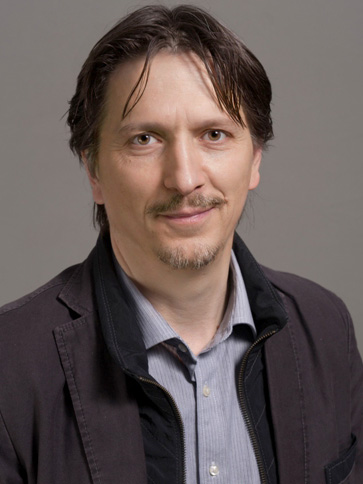 Head of the research group: Ádám Miklósi, Academician, Professor
Institute of Biology, Department of Ethology, Faculty of Science, Eötvös Loránd University (ELTE)
E-mail: adam.miklosi@ttk.elte.hu
Phone: +36-1-372-2500/1705
The research group, through studying dog-human interactions, has discovered how to design and develop social robots that can cooperate effectively with humans. The numerous behavioral similarities between dogs and humans are the result of a convergent evolutionary process in which dogs have adapted to the human environment. These functional similarities are evident not only in the main dimensions of the behavioral repertoire of both species but also at the level of components known as social primitives. Moreover, the dog is a promising model species for studying the evolution of human social cognition. The research is carried out in broad national and international collaboration, aiming to establish the foundations of a natural animal model that can significantly contribute to evolutionary modeling of humans and potentially offer new directions for robotics research.
HUN-REN–MTM–ELTE Paleontology Research Group
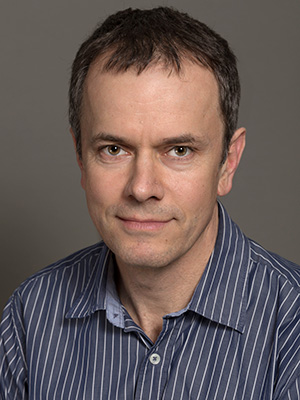 Head of the research group: József Pálfy, Academician, Professor
Institute of Geography and Earth Sciences, Department of General and Applied Geology, Faculty of Science, Eötvös Loránd University (ELTE)
E-mail: palfy@elte.hu
Phone: +36-1-372-2500/8728
The Paleontology Research Group contributes to the understanding of the evolutionary history of the biosphere through high-quality paleontological research and internationally impactful publications. Their research is organized around three main themes: 1.) Based on fossil records, they study major events in the history of the biosphere that involved significant changes in biodiversity, such as extinction events and shifts in fauna and flora, both in deep geological time and in the Quaternary period leading into human history. 2.) Using a systems approach and incorporating geochemical analyses, they examine the relationship of these events to simultaneous global and regional paleogeographic and environmental changes, with a particular focus on climate change. 3.) Their research relies on detailed taxonomic work and the study of Hungary’s and the surrounding region’s significant fossil sites. Within the examined fossil groups, they conduct both monographic descriptive studies and paleobiological research.
HUN-REN–ELTE Protein Modeling Research Group
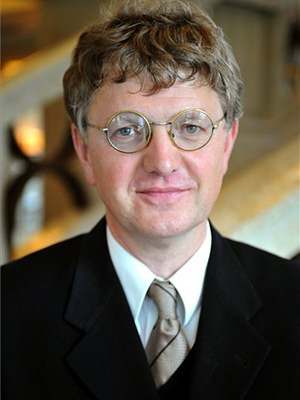 Head of the research group: András Perczel, Academician, Professor
Institute of Chemistry, Department of Organic Chemistry, Faculty of Science, Eötvös Loránd University (ELTE)
E-mail: perczel@chem.elte.hu
Phone: +36-1-372-2500/1653
The research group focuses on protein studies. Most proteins in the human body participate in physiological processes by associating with other proteins, forming complexes that create stable molecular structures and functional organization. These protein complexes are formed through self-assembling or assisted processes, during which surfaces that are complementary in shape and electrostatic pattern align with each other. In order to interpret, regulate, or exploit such processes, it is essential to precisely understand the structural and compositional properties of protein surfaces capable of association, as well as the factors and mechanisms that drive this association. The research group aims to conduct detailed investigations into these questions, focusing on protein systems that are also of medical relevance.
HUN-REN–ELTE Numerical Analysis and Large Networks Research Group
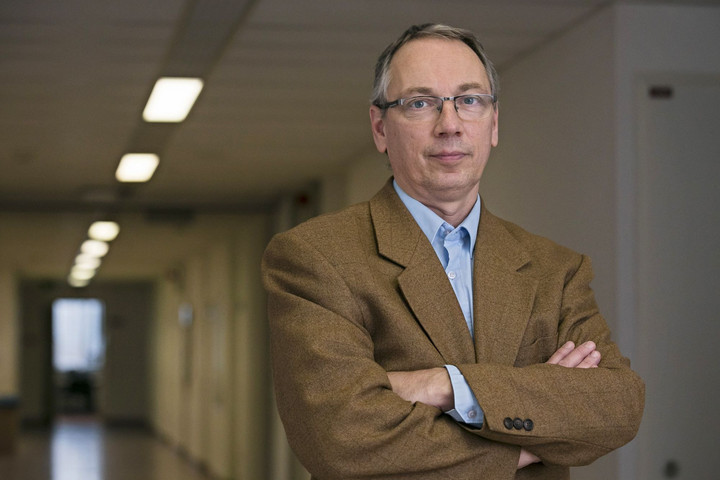 Head of the research group: Péter Simon, Professor
Institute of Mathematics, Department of Applied Analysis and Computational Mathematics, Faculty of Science, Eötvös Loránd University (ELTE)
E-mail: peter.simon@ttk.elte.hu
Phone: +36-1-372-2500/8417
The research group provides a broad theoretical integration of applied mathematical research, including topics relevant to engineering and chemical fields. Among its objectives are to support the theoretical background for numerical mathematics research that is of critical importance in industrial, engineering, and other domains, and to foster collaboration among Hungarian researchers working in this area.The approximate solutions of systems of partial differential equations are indispensable across many fields of science. The group focuses on the study of elliptic, as well as time-dependent parabolic and hyperbolic problems, using a wide array of both new and existing methods. The developed techniques are also implemented computationally and are applied to fully realistic or highly realistic models, such as those describing air pollution, epidemic spread, and fuel cell systems.
HUN-REN–ELTE Theoretical Physics Research Group
 Head of the research group: Zoltán Trócsányi, Academician, Professor
Institute of Physics, Department of Theoretical Physics, Faculty of Science, Eötvös Loránd University (ELTE)
E-mail: trocsanyi.zoltan@ttk.elte.hu
Phone: +36-1-372-2500/6108
The research group aims to study the physics of elementary particles across energy scales ranging from low energies up to the Planck scale, as well as to investigate environmental phenomena and climate physics.
HUN-REN–ELTE Genome Stability Research Group
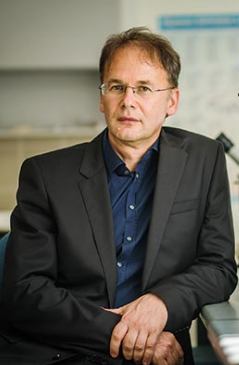 Head of the research group: Tibor Vellai, Professor
Institute of Biology, Department of Genetics, Faculty of Science, Eötvös Loránd University (ELTE)
E-mail: vellai@falco.elte.hu
Phone: +36-1-372-2500/8684
COMPLETED RESEARCH PROJECTS
HUN-REN–ELTE Exoplanetary Systems Research Group
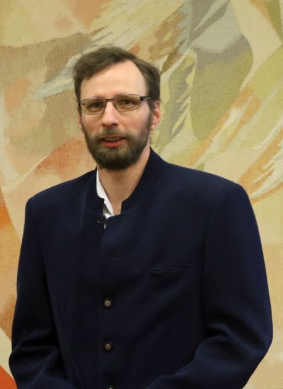 Head of the research group: Gyula Szabó, Senior Research Fellow
ELTE Gothard Astrophysical Observatory and Multidisciplinary Research Center
E-mail: szabomgyula@caesar.elte.hu
Phone: +36-(94)-522-875
The goal of the research group’s project titled “Study of Exoplanetary Systems with European Space Telescopes” is to expand Hungarian participation in exoplanet research and to involve new researchers in the field. These new researchers will join the working groups of upcoming space telescope missions (Plato, Ariel) and gain access to CHEOPS Open Time and DDT telescope time. The research group studies the structure and formation of exoplanets, investigates star–planet interactions, and searches for additional planets and small celestial bodies (moons, rings) within exoplanetary systems, using space-based observations, parallel ground-based measurements, and data from space missions.
HUN-REN–ELTE Geometric and Algebraic Combinatorics Research Group
 Head of the research group: Péter Sziklai, Professor
Institute of Mathematics, Department of Computer Science, Faculty of Science, Eötvös Loránd University (ELTE)
E-mail: peter.sziklai@ttk.elte.hu
The primary objective of the research group is to conduct fundamental research in the field of geometric and algebraic combinatorics—particularly focusing on problems originating from finite geometry that can be approached using its toolkit or other algebraic methods. Special emphasis is placed on extremal combinatorial and graph-theoretical problems, stability questions, -analogs, colorings, the direction problem, combinatorially defined structures in finite planes (e.g., blocking sets), the polynomial method, and non-Desarguesian planes. Their research so far has covered topics such as the excluded subposet problem, search problems, projective and affine blocking sets, full automorphisms of affine planes, 3-nets embedded in group-coordinatizable planes, pseudorandom sequences, and certain graph coloring problems. Additionally, their goals include the study of projective and affine blocking sets, extremal combinatorial structures (especially intersecting set systems), the stability of special point sets in PG(2, q), classical and generalized direction problems, bisecants of large Rédei-type blocking sets, semiovals, 1-intersecting graphs, Ramsey-type problems, dominating sets in the incidence graphs of projective planes, algebraic-geometric error-correcting codes, and finite Bol quasigroups.
HUN-REN–ELTE Komplement Research Group
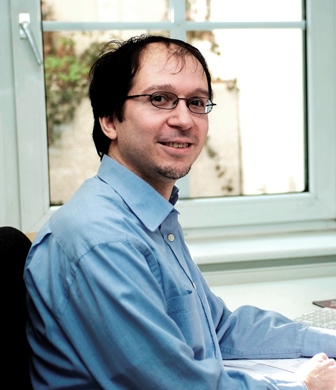 Head of the Research Group: Mihály Józsi, Associate Professor
Department of Immunology, Faculty of Science, Eötvös Loránd University (ELTE)
E-mail: mihaly.jozsi@ttk.elte.hu
Phone: +36-1-372-2500 / 8661
The complement system plays a crucial role in protecting the body against infections and in regulating immune processes. However, its malfunction can lead to damage of the body’s own tissues and contribute to the development of serious diseases. The research aims to uncover the physiological functions of complement proteins and their roles in disease mechanisms. These insights may support the development of novel preventive and therapeutic strategies. Another key objective of the group is the development of new complement inhibitors based on Factor H and FHR proteins for therapeutic applications.
HUN-REN–ELTE Volcanology Research Group
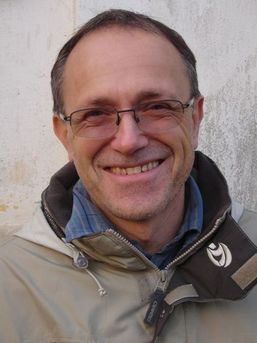
Head of the Research Group: Szabolcs Harangi, University Professor
Department of Petrology and Geochemistry
Institute of Geography and Earth Sciences, ELTE Faculty of Science
Email: szabolcs.harangi@geology.elte.hu
Phone: +36-1-372-2500/8355
The Research Group was established in 2013 with the aim of becoming a nationally and internationally recognized scientific hub. It builds on the volcanology school that was formed around 20 years ago at the Department of Petrology and Geochemistry at ELTE and has been successfully operating ever since. The group conducts high-level, interdisciplinary research and contributes to a better understanding of volcanic activity—from magma formation to eruption processes—while also communicating the impact of volcanic eruptions to society. A key objective of the Research Group is to elevate the Carpathian-Pannonian region to a prominent position among key areas of volcanological research by conducting studies in this region and publishing the results. Additionally, the group aims to provide opportunities for talented young researchers at the beginning of their careers, enabling them to conduct volcanological research in Hungary without the need to leave their home country. Strengthening volcanological research, which is expected to play an increasingly important role in the Hungarian scientific landscape, the Research Group collaborates closely with research groups and institutes of the Hungarian Academy of Sciences (MTA). These partnerships are partly based on previous successful collaborations in other scientific fields.
HUN-REN–ELTE Research Group on Complex Chemical Systems
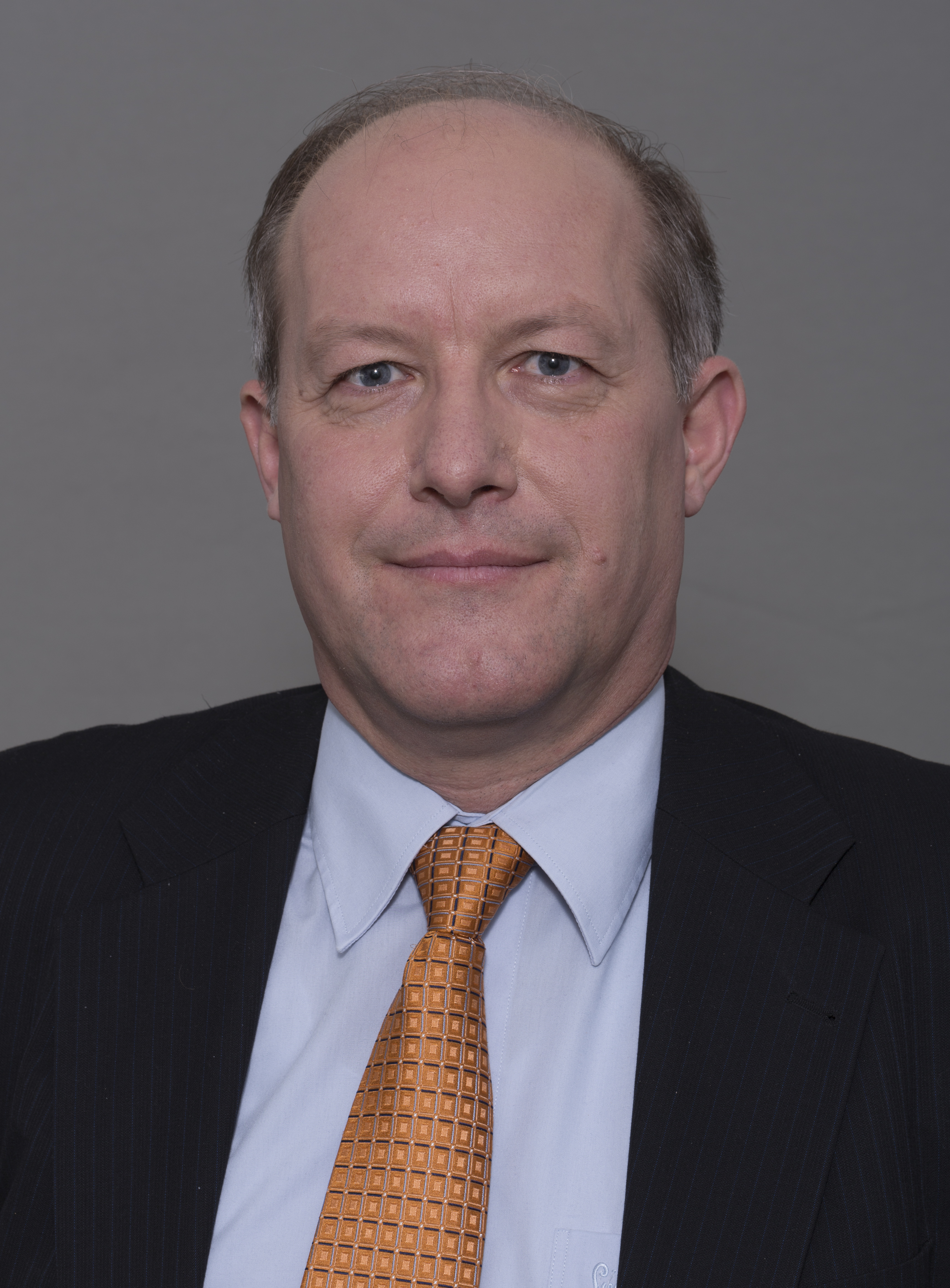 Group Leader: Attila Császár, Doctor of the Hungarian Academy of Sciences (MTA)
ELTE Faculty of Science, Institute of Chemistry, Department of Physical Chemistry
E-mail: csaszar@chem.elte.hu
Phone: +36-1-372-2500/1629
Founded in July 2013, the research group focuses on theoretical and computational chemistry, with particular emphasis on quantum chemistry, high-resolution molecular spectroscopy, thermochemistry, and reaction kinetics. The group's research extends into interdisciplinary areas such as mathematical statistics, computer science, and information technology, integrating knowledge across these fields. The group's primary objective is to develop new methodologies, computational programs, and active databases that contribute to a deeper understanding of the natural world. Their work has applications in astrophysics (e.g., star formation and exoplanet research), combustion processes, and environmental sciences. Additionally, their research supports climate protection and the scientific understanding of the greenhouse effect, ultimately contributing to improvements in environmental sustainability and quality of life. The developed tools and resources are made widely accessible to researchers and engineers.
MTA-ELTE Biophysics Research Group
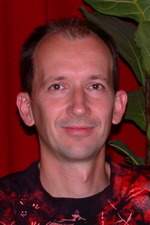 Head of the research group: Imre Derényi, Doctor of the Hungarian Academy of Sciences
Institute of Physics, Department of Biological Physics, Faculty of Science, Eötvös Loránd University (ELTE)
E-mail: derenyi@elte.hu
Phone: +36-1-372-2795
The group's main research areas include the study of collective behavior and related networks, as well as topics in bioinformatics.
MTA-ELTE Molecular and Systems Neurobiology Research Group
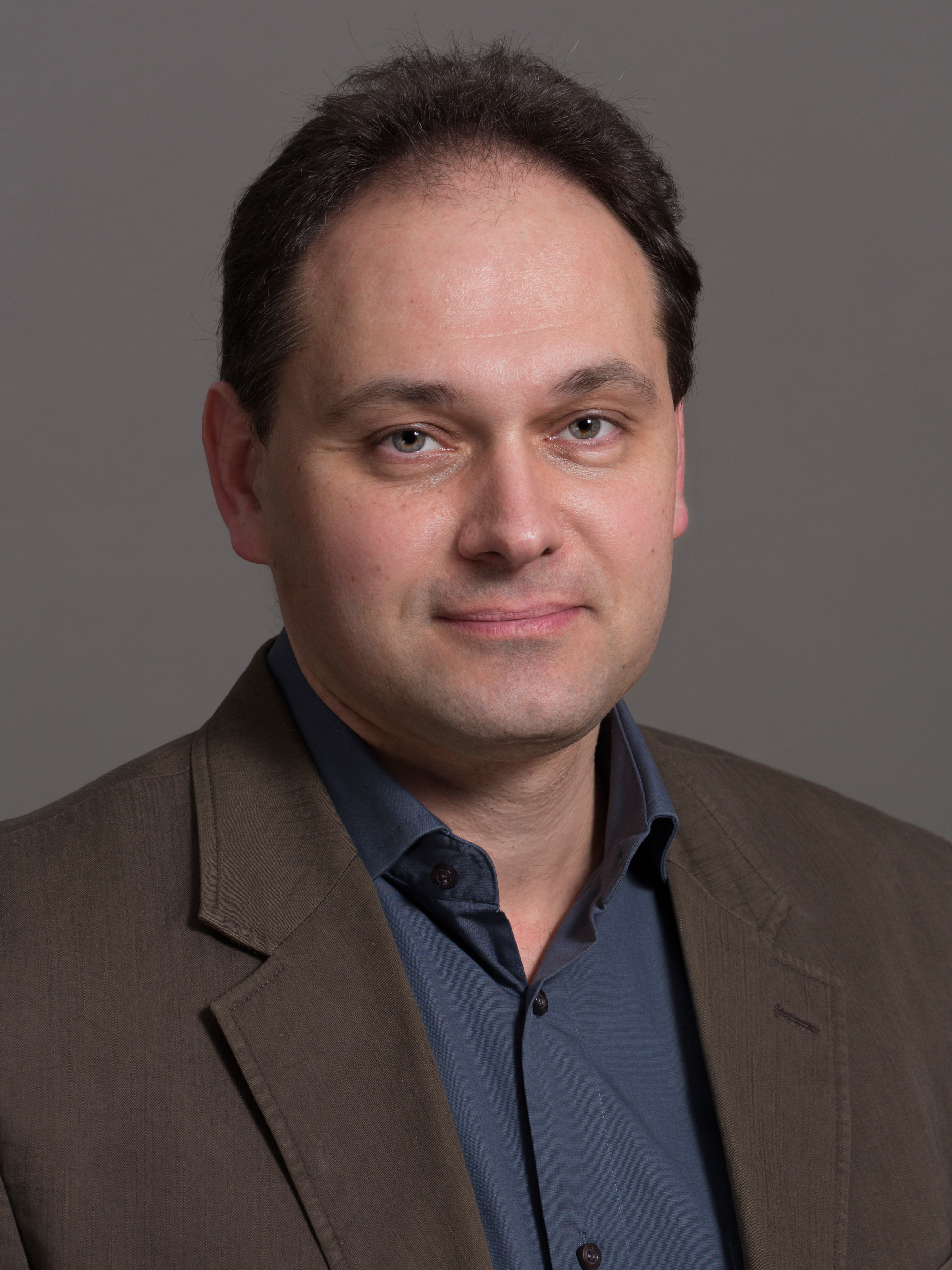 Head of the research group: Árpád Dobolyi, Doctor of the Hungarian Academy of Sciences
Institute of Biology, Department of Physiology and Neurobiology, Faculty of Science, Eötvös Loránd University (ELTE)
E-mail: dobolyia@caesar.elte.hu
Phone: +36-1-372-2500/8773
The predecessor of the research group was established at ELTE in 2013 with support from the National Brain Research Program (NAP). Their work is currently supported by several major grants, all aimed at understanding the normal and pathological functioning of the nervous system. Their main research focus is on the brain mechanisms underlying the parent–child bond, and more broadly on social neurobiology. Within this framework, their goal is to identify the neuronal networks responsible for social behavior and to clarify the roles of the participating neurons. The research employs modern chemogenetic tools, neuron-specific tract-tracing methods, high-throughput behavioral testing, as well as genomic and proteomic approaches to understand molecular-level changes in the brain. This line of research is complemented by studies on the mechanisms of neurological disorders affecting social relationships. Their aim is to uncover the network-level and molecular underpinnings of conditions such as depression, autism, epilepsy, Alzheimer’s disease, stroke, and mitochondrial disorders.
MTA-ELTE Immunology Research Group
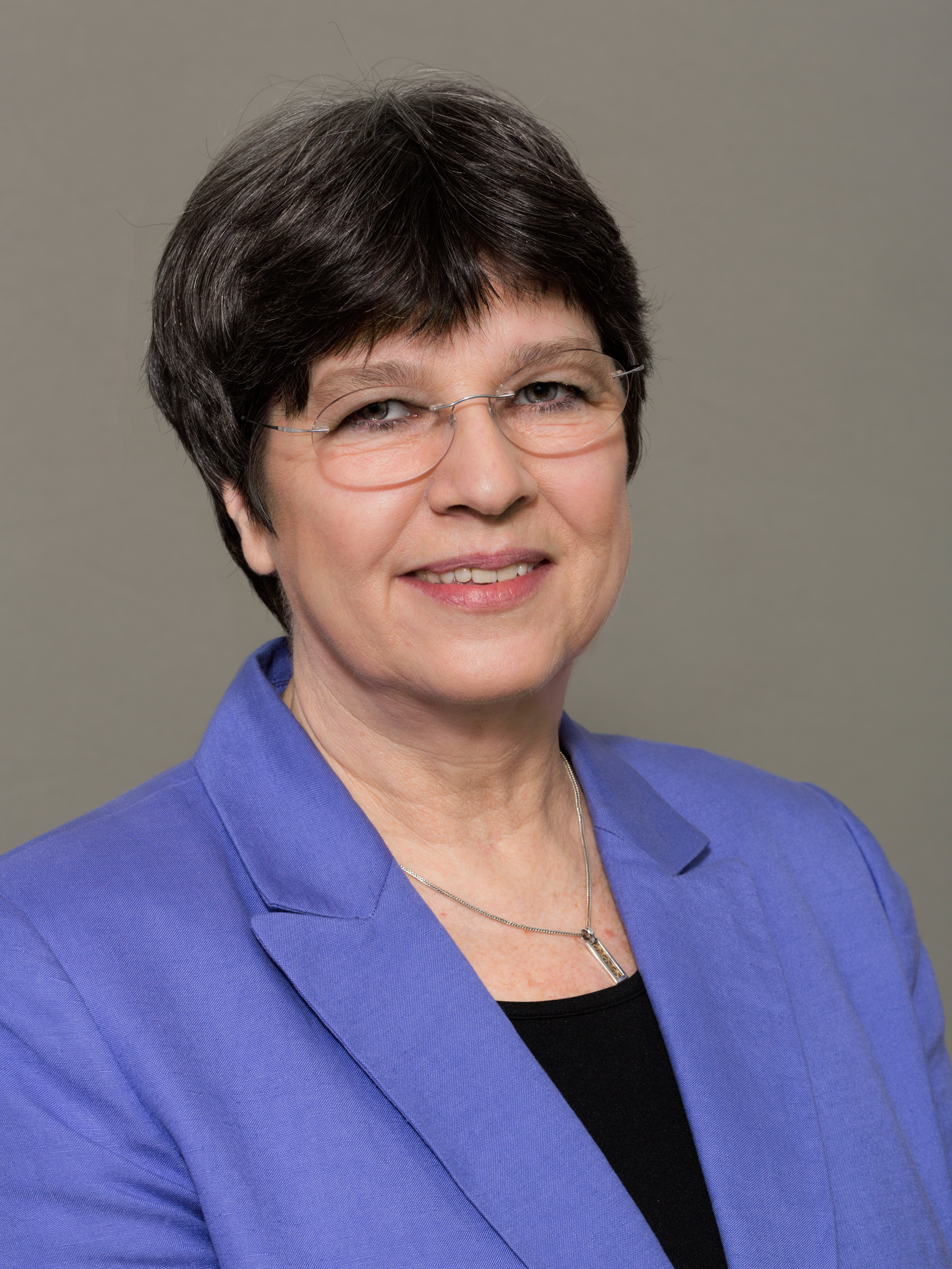 Head of the research group: Anna Erdei, Academician, Professor
Institute of Biology, Department of Immunology, Faculty of Science, Eötvös Loránd University (ELTE)
E-mail: anna.erdei@ttk.elte.hu
MTA-ELTE Numerical Analysis and Large Networks Research Group
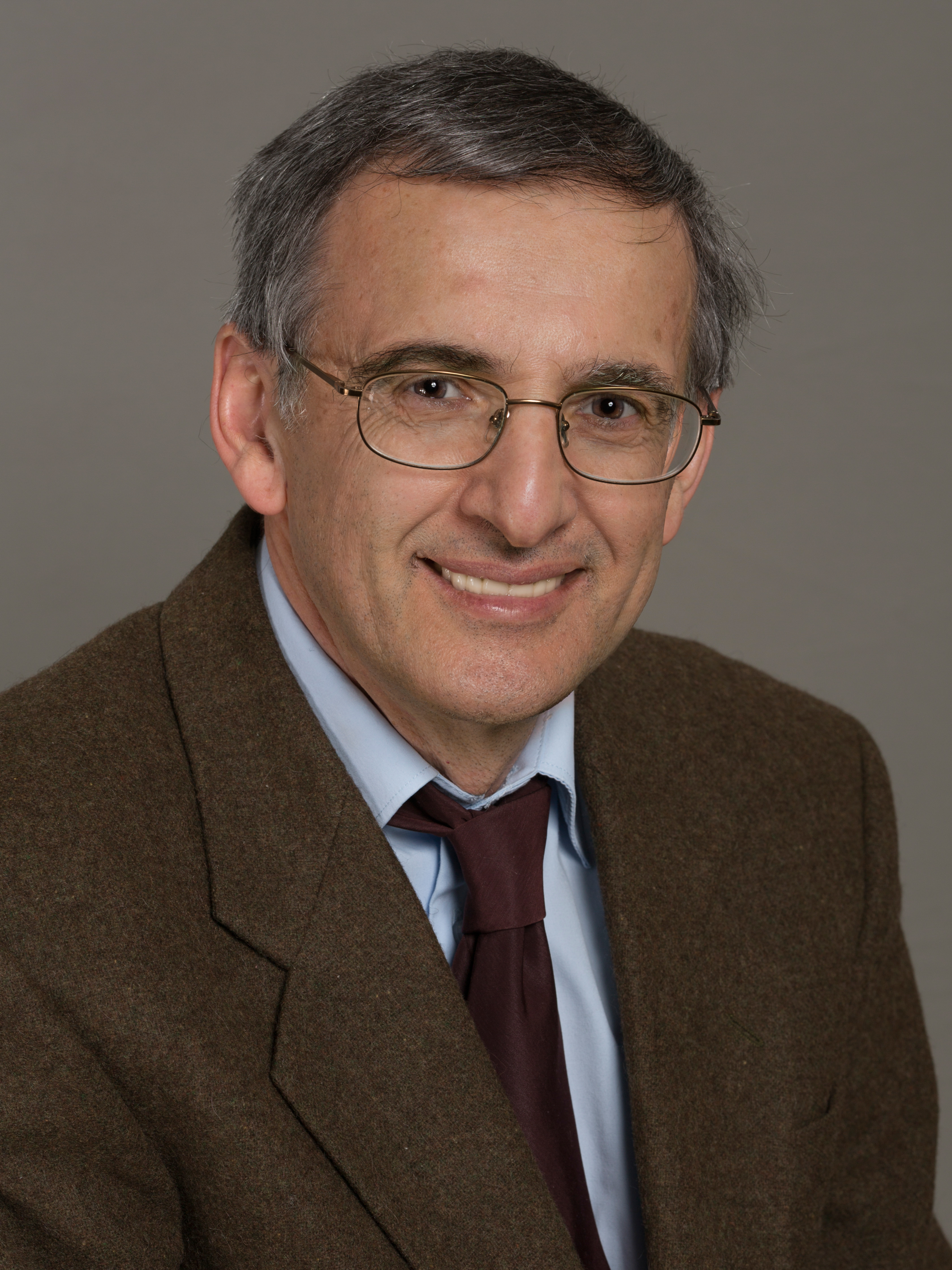 Head of the research group: István Faragó, Professor
Institute of Mathematics, Department of Applied Analysis and Computational Mathematics, Faculty of Science, Eötvös Loránd University (ELTE)
E-mail: istvan.farago@ttk.elte.hu
Phone: +36-1-372-2500/8436
MTA-ELTE Geological, Geophysical and Space Science Research Group
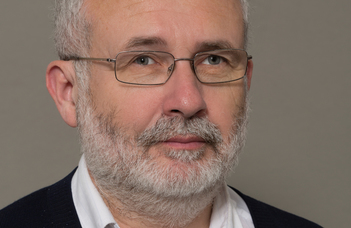 Head of the research group: Miklós Kázmér, Doctor of the Hungarian Academy of Sciences
Faculty of Science, ELTE–MTA Geological, Geophysical and Space Science Research Group
E-mail: kazmer@ludens.elte.hu
Phone: +36-1-372-2500/8027
In 1958, Professor Elemér Vadász, with the support of the Hungarian Academy of Sciences, established a research group at Eötvös Loránd University focusing on basic geological research. From 1994 to 2007, the group operated under the name MTA–ELTE Geological Research Group, led by János Haas. Within the framework of ELTE’s Institute of Geography and Earth Sciences, the Geophysical and Environmental Physics Research Group and the Geoinformatics and Space Science Research Group were also active. In 2007, the current interdisciplinary earth science research group was formed through the merger of these three groups, under the name MTA–ELTE Geological, Geophysical and Space Science Research Group. The current main research areas of the group include: comprehensive studies of the geology of Hungary; the development of scientific syntheses; the investigation of Paleozoic and Mesozoic formations forming the basement of the Pannonian Basin; exploration of their Alpine–Carpathian–Dinaric connections; reconstruction of the original positions of geological units; stratigraphic studies of Paleozoic and Mesozoic formations using various stratigraphic methods; as well as research in carbonate sedimentology, facies analysis, and diagenesis.
MTA-ELTE Theoretical Biology and Evolutionary Ecology Research Group
 Head of the research group: Géza Meszéna, professor
ELTE Faculty of Science, Institute of Physics, Department of Biological Physics / ELTE Faculty of Science, Institute of Biology, Department of Plant Systematics, Ecology and Theoretical Biology
E-mail: geza@angel.elte.hu
Phone: +36-1-372-2500/6326
MTA-ELTE-MTM Ecological Research Group
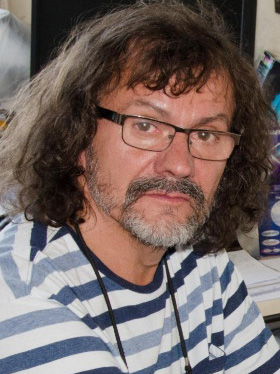 Head of the research group: János Podani, academician, professor
ELTE Faculty of Science, Institute of Biology, Department of Plant Systematics and Ecology
E-mail: janos.podani@ttk.elte.hu
Phone: +36-1-372-2500/8193
The MTA-ELTE-MTM Ecological Research Group is a research unit of the Hungarian Academy of Sciences, hosted by Eötvös Loránd University and the Hungarian Natural History Museum. The group consists partly of members of the former MTA-MTM Animal Ecology Research Group, and partly of researchers who joined during or after the new funding period that began in 2012. Some members are at the beginning of their scientific careers, working on their PhD theses or having recently defended them, while others already hold a Doctor of Science (DSc) degree or the title of private professor (habilitated university lecturer). The head of the group is academician János Podani. The group’s research focuses on the ecological relationships of plants, animals, and pathogens. Their theoretical, methodological, and experimental work is published in leading international journals in the field of ecology and related disciplines such as conservation biology, agroecology, behavioral ecology, taxonomy, and epidemiology. Members of the group are actively involved in undergraduate and doctoral education at various universities as guest lecturers or supervisors, and they also participate in science communication and nature conservation activities.
MTA-ELTE Theoretical Physics Research Group
 Head of the research group: Tamás Tél, professor
ELTE Faculty of Science, Institute of Physics, Department of Theoretical Physics
E-mail: tel@general.elte.hu
Phone: +36-1-372-2500/6124
Since 2012, the group’s research has focused on field theory, particle physics, as well as statistical and environmental physics. The five-year research plan is centered around two main areas: quantum field theory and statistical physics. In recent years, a third major research direction has emerged, namely “environmental and climate-motivated physics.” The group conducts basic research, whose societal relevance lies in advancing our understanding of the world and the behavior of physical systems. Its economic utility is often indirect or becomes apparent only after a longer period of time. The research group collaborates with several domestic institutions (e.g., the Institute of Nuclear Techniques at BME, the Department of Theoretical Physics at the Centre for Energy Research). They are also involved in education at ELTE, teaching various theoretical physics courses, and maintain extensive international collaborations (e.g., Ben-Gurion University of the Negev in Israel, Aix-Marseille University, University College London, CERN and the University of Geneva, Freie Universität Berlin, the universities of Oldenburg, Cottbus, and Hamburg, and the Max Planck Institute in Dresden).
MTA-ELTE Research Group for Modern Complex Mathematics Education
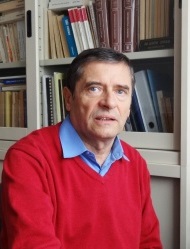 Head of the research group: Ödön Vancsó, habilitated associate professor
ELTE Faculty of Science, Centre for Mathematics Education and Methodology
E-mail: vancso.odon@gmail.com
Phone: (+36 1) 372 2500/8069
The main goal of the research program is to preserve the legacy of Tamás Varga and to integrate three decades of subsequent development into it. Particular emphasis is placed on incorporating advances and findings from cognitive sciences, recognizing the growing role of information technology and modern tools, and extending Tamás Varga’s methods to secondary education—an effort that, despite some valuable attempts, remained incomplete. During the implementation of the project, educational support materials will be developed based on these guiding principles, tested in teaching practice, and—once evaluated and, if necessary, revised—made freely available online for all Hungarian mathematics teachers. A teacher training program is also being prepared to familiarize educators with the group’s work and principles, enabling them to engage in interactive learning which they can then pass on to their students. In addition, the group aims to restore the international reputation of Hungarian mathematics didactics. In the first year, methodological research is being conducted to lay the groundwork for future activities, organized across nine research subgroups.